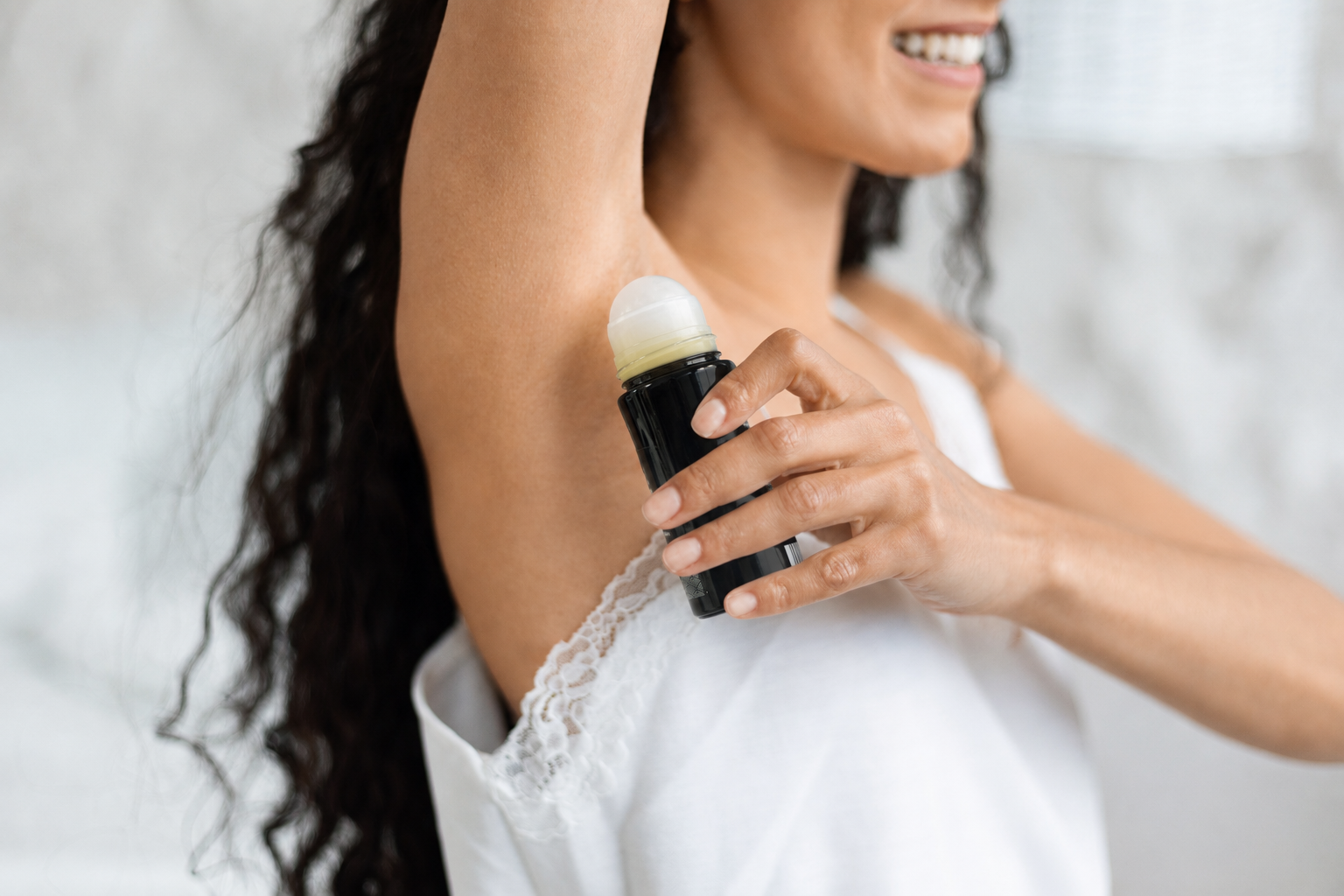
Controlling odour does not require blocking perspiration. The key is understanding what each formula does and what your skin actually needs.
We pay attention to what we eat, the quality of the water we drink and the labels on our food. Yet there is one product many people use almost every day without giving it the same consideration: deodorant.
We apply it hundreds of times a year to an area that is warm, humid and regularly exposed to friction, shaving or hair removal. Even so, we do not always know how it works, how a deodorant differs from an antiperspirant or what a natural formula really means.
The choice is not a battle between “good” and “bad” ingredients. The real questions are: what function do you need, which formula does your skin tolerate best and what kind of experience are you looking for?
This more considered approach inspired Mandarin Natural Deodorant, created through a collaboration between Eleven Obi and Como Como Foods. Its formula is designed to neutralise odour without blocking perspiration, combining triethyl citrate, diatomaceous earth, menthyl lactate, aloe vera and botanical extracts. It is intended for people who want efficacy, freshness and a gentler relationship with the skin under their arms.
This guide explains what happens when we sweat, where body odour comes from, how deodorants and antiperspirants differ and what to consider before choosing one.
Contents
- From conscious eating to conscious skincare
- What exactly is a deodorant?
- Why do we sweat?
- Why do underarms smell?
- Deodorant vs antiperspirant
- What conventional formulas may contain
- What makes a natural deodorant different
- How to choose the best deodorant for your skin
- Mandarin Natural Deodorant
- Ingredients and their functions
- How to use natural deodorant
- Frequently asked questions
From conscious eating to conscious skincare
Como Como Foods was built around a simple idea: making it easier for people to add healthier choices to their everyday routines. Its founders, Núria Coll, Laura Garcia and Marc Vergés, turned years of work in food and wellbeing education into a product selection guided by close reading of ingredients, traceability and alternatives consistent with their philosophy. You can learn more about the story of Como Como Foods and its approach to conscious consumption.
Over time, this habit of reading labels naturally moved beyond the kitchen. Applying the same questions to personal care makes sense: What does this product contain? What does each ingredient do? Is it suitable for me?
This is where Eleven Obi comes in: a brand specialising in natural skincare and formulas that combine plant- and mineral-derived ingredients with cosmetic efficacy. The collaboration brings together two complementary perspectives: Como Como Foods’ culture of conscious choice and Eleven Obi’s formulation expertise.
The result is designed to control odour without preventing the body from sweating. Understanding that distinction is essential to knowing what a natural deodorant can—and cannot—do.
What exactly is a deodorant?
A deodorant is a cosmetic product intended to prevent, reduce or disguise body odour. It can achieve this in several ways: by disrupting the processes that generate odorous molecules, reducing the activity of certain microorganisms, absorbing some surface moisture or providing a pleasant fragrance.
Its primary purpose is to control odour, not the amount of sweat. A product can therefore work effectively as a deodorant while still allowing the underarm to perspire. The American Academy of Dermatology explains that deodorants do not necessarily reduce sweating; products intended to do that contain antiperspirant actives, commonly aluminium compounds.
A well-formulated natural deodorant can help neutralise odour, absorb some moisture and create a fresh sensation. If it is not an antiperspirant, it is not intended to temporarily block sweat ducts.
Why do we sweat?
Sweating is a normal physiological function. Its best-known purpose is temperature regulation: when sweat reaches the skin and evaporates, it helps the body release heat. We may also sweat in response to exercise, hot weather, fever, certain foods, hormonal changes, strong emotions or stress.
Two types of sweat gland are particularly relevant here.
Eccrine glands
Eccrine glands are distributed across much of the skin. They produce sweat made mainly of water and electrolytes and play a direct role in thermoregulation.
Apocrine glands
Apocrine glands are concentrated in areas such as the underarms and release a secretion richer in lipids and proteins. Odour develops mainly when particular skin microorganisms break down components of these secretions.
Perspiration and body odour are therefore not the same thing. A person can sweat without developing a strong smell, while a relatively small amount of perspiration may create odour when the conditions are right.
If sweating is unusually heavy, begins without an obvious trigger, interferes with daily life or changes suddenly, seek advice from a healthcare professional. Hyperhidrosis is a medical condition and may require a different approach.
Why do underarms smell?
The underarm has its own microenvironment. Temperature, humidity, hair, friction, clothing, applied products and skin secretions all influence the microorganisms living there. This community is known as the skin microbiota.
Freshly secreted sweat is largely odourless. Smell develops when certain bacteria transform components of underarm secretions into volatile molecules. The most widely studied genera include Corynebacterium and Staphylococcus, although the precise balance varies from person to person. A scientific review of microbiota and body odour describes the relationship between microbial communities and the development of odour.
This helps explain why the same formula does not work identically for everyone. Factors that affect underarm odour include:
- genetics and the individual’s microbiota;
- the amount of perspiration;
- hygiene, drying, shaving and hair removal;
- fabric type and ventilation;
- exercise and environmental temperature;
- certain foods, medicines and hormonal changes;
- how long secretions remain on the skin or clothing.
The purpose of a deodorant is not to “sterilise” the underarm. The skin needs its ecosystem. A cosmetic formula instead aims to modify particular conditions associated with odour, absorb moisture or interfere with specific processes without treating the microbiota as an enemy.
Deodorant vs antiperspirant: what is the difference?
Although the two terms are often used interchangeably, deodorants and antiperspirants serve different purposes.
| Aspect | Deodorant | Antiperspirant |
|---|---|---|
| Main purpose | Control or neutralise odour | Temporarily reduce the amount of sweat |
| How it works | Intervenes in odour-related processes, absorbs moisture or adds fragrance | Forms temporary deposits in sweat ducts to reduce the flow of perspiration |
| Does it stop sweating? | Not necessarily | Reduces perspiration in the area where it is applied |
| Common actives | Triethyl citrate, absorbent powders, cosmetic acids, deodorising agents, extracts or fragrances | Aluminium salts such as aluminium chlorohydrate or aluminium-zirconium complexes |
| Expected sensation | Some moisture may remain even when odour is controlled | The underarm generally feels drier |
| Who it may suit | Someone who wants to control odour while maintaining natural perspiration | Someone who wants a clear reduction in moisture or needs to manage heavy sweating |
There is no universally superior choice. Someone who sweats relatively little but wants to control odour may be comfortable with a deodorant. Another person who needs a noticeable reduction in moisture may prefer an antiperspirant. Products can also be alternated according to the weather, activity or occasion.
The important thing is not to expect a natural deodorant without aluminium salts to behave like an antiperspirant: it makes a different promise.
What do many conventional deodorants and antiperspirants contain?
“Conventional” is a very broad category. It does not describe a single formula, nor does it mean that a product is unsafe. Formulas may contain alcohols, humectants, emollients, silicones, fragrances, preservatives, antimicrobial agents, absorbent powders and—when an antiperspirant effect is required—aluminium salts.
Aluminium salts
Compounds such as aluminium chlorohydrate temporarily reduce the release of sweat in the area where they are applied. Their presence does not automatically make a cosmetic dangerous. In Europe, cosmetic ingredients are governed by Regulation (EC) No 1223/2009 and are subject to scientific safety assessments. The European Commission’s Scientific Committee on Consumer Safety has published a specific assessment of aluminium in cosmetic products.
Choosing an aluminium-free formula may simply reflect a functional preference: controlling odour without reducing the natural process of perspiration. There is no need to use fear or unsupported health claims to explain that choice.
Fragrance and declarable allergens
Fragrance can make a product more enjoyable to use, but some reactive skins may become irritated or sensitised by particular aromatic substances. This can happen with synthetic perfumes as well as naturally occurring components of essential oils. “Natural” does not mean “hypoallergenic”. If you have a history of dermatitis, read the INCI list, carry out a patch test and avoid applying the product to broken skin.
What makes a natural deodorant different?
A natural deodorant is generally based on plant- or mineral-derived ingredients or ingredients obtained from natural raw materials. A formula may combine several approaches:
- Intervening in the formation of odour. Some actives influence enzymatic processes or the conditions that allow odorous molecules to develop.
- Absorbing some moisture. Minerals, starches or powders can capture surface moisture and improve comfort.
- Caring for the skin. Aloe, glycerine, oils and botanical extracts may contribute moisturising, antioxidant or soothing cosmetic properties.
- Providing freshness. Certain ingredients create a cooling sensation without necessarily lowering skin temperature or reducing sweat production.
- Adding fragrance. Essential oils or naturally derived fragrances improve the sensory experience, although they should still be assessed according to individual tolerance.
The word “natural” does not tell the whole story. To compare two products, consider the complete INCI list, the stated function, directions for use and any independent certification. Eleven Obi’s guide to natural and organic skincare explains these concepts in more detail.
A natural deodorant can help neutralise odour, absorb some surface moisture and provide freshness. It should not promise the same sweat reduction as an antiperspirant, zero odour in every situation or universal tolerance. Nor is it a substitute for medical advice in cases of hyperhidrosis, persistent irritation or a noticeable change in body odour.
How to choose the best deodorant for your skin
The “best natural deodorant” is not necessarily the product with the longest list of front-label claims. It is the one that meets your needs and that you can use comfortably and consistently.
1. Decide whether you want to control odour or reduce sweat
If your priority is to avoid feeling damp, look for an antiperspirant. If you are comfortable perspiring and mainly want to control odour, an aluminium-free deodorant may suit you better.
2. Consider your skin’s sensitivity
Underarm skin can become irritated by friction, hair removal or fragrance. If your skin is reactive, avoid applying deodorant immediately after shaving or waxing and test a small amount first. Stop using it if you experience intense burning, persistent redness, flaking or itching.
3. Read the formula, not just the front label
Check the INCI list for deodorising agents, absorbents and a base that respects the skin barrier. If you have a known allergy, the ingredient list is more useful than a broad “sensitive skin” claim.
4. Consider the application format
Roll-ons, creams, sticks and sprays all provide different experiences. The best texture is the one that fits your routine and allows you to use the right amount.
5. Look at certification carefully
Certification does not make a product therapeutic or perfect for everyone, but it provides a verifiable framework. The BioVidaSana Standard sets requirements for natural and organic cosmetics and includes certification by bio.inspecta.
6. Adjust your expectations to the situation
Hot weather, exercise, stress, non-breathable fabrics and long days may make reapplication necessary. Real-world performance also depends on allowing the product to dry, using the right amount and making sure clothing is not retaining odour from previous wear.
Mandarin Natural Deodorant: two philosophies, one collaboration
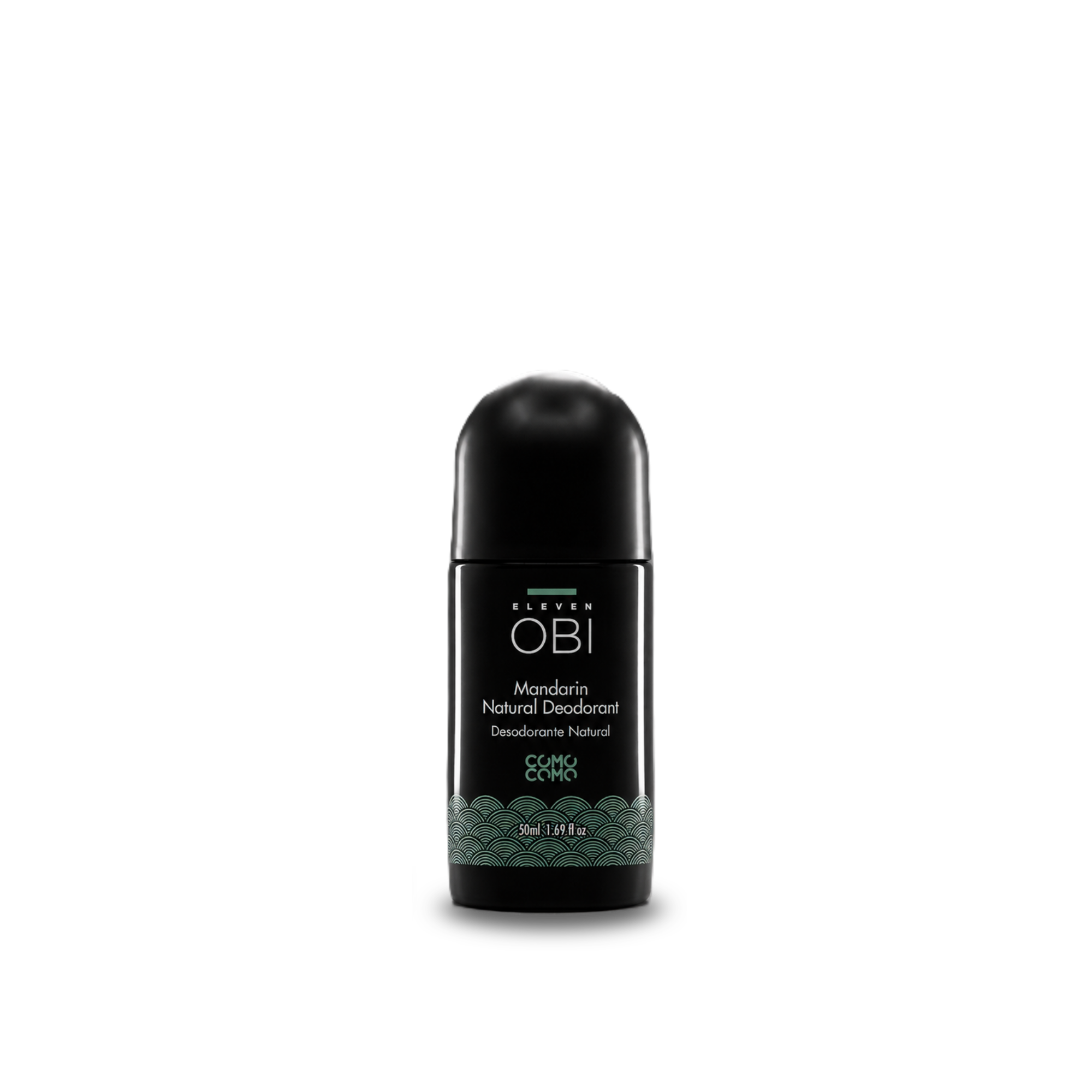
Mandarin Natural Deodorant is formulated to neutralise odour while respecting natural perspiration. It is also available from Como Como Foods as a natural mandarin deodorant, where it forms part of a wider approach to conscious habits and consumption.
According to the product information published by both brands, the formula contains 73.70% organically farmed ingredients, uses no aluminium salts or parabens and is certified under the BioVidaSana standard by bio.inspecta.
Its principal deodorising active is triethyl citrate. This is combined with diatomaceous earth to help absorb moisture; menthyl lactate for a gentle cooling sensation; an aloe vera base; ginseng, sage, rosemary and green tea extracts; and organic mandarin essential oil.
The aim is neither to disguise odour with an overpowering perfume nor to prevent sweating. It is to act on conditions involved in odour formation and improve comfort. The gentle citrus fragrance complements the application without turning the product into a dominant perfume.
The ingredients in Mandarin Natural Deodorant and what they do
Cosmetic efficacy depends on the complete formula, not on one ingredient in isolation. Even so, understanding the main ingredients helps explain why they have been combined.
Triethyl citrate: the principal deodorising active
Triethyl citrate is an ester of citric acid used as a deodorising agent. Rather than blocking sweat ducts, it interferes with processes involved in the formation of odorous compounds. It can therefore help control odour without behaving like an antiperspirant salt.
The underarm may still feel damp while smelling less. Its role is not to eliminate the entire microbiota, but to make part of the process that turns secretions into volatile molecules more difficult. In Mandarin Natural Deodorant, it is combined with absorbent and botanical ingredients.
Aloe vera: the base of the formula
The first ingredient in the INCI list is organically farmed Aloe barbadensis leaf juice. Aloe vera is commonly used in cosmetics for its water content, humectant properties and the comfortable sensation it provides.
In an area exposed to friction and regular hair removal, a pleasant base matters as much as odour control. Aloe supports the product’s sensory and skincare profile, but it does not turn the deodorant into a treatment. If the skin is damaged or freshly shaved, wait until it has calmed before applying the product.
Diatomaceous earth: moisture absorption
Diatomaceous earth is a porous mineral material rich in silica. In this formula, it is used to capture some surface moisture and create a soft skin feel.
Absorbing moisture is not the same as preventing perspiration. Diatomaceous earth may improve the sensation of dryness, but it does not block sweat glands or promise the effect of an antiperspirant.
Menthyl lactate: gentle, lasting freshness
Menthyl lactate is derived from menthol and lactic acid. It is used to create a cooling sensation that is more gradual and less intense than pure menthol. It affects the perception of freshness rather than the production of sweat.
It complements the mandarin aroma and makes application feel more refreshing. Tolerance varies from person to person, so it should not be applied to broken or freshly shaved skin.
Sage: a purifying, balancing botanical extract
Salvia officinalis extract is used in cosmetics for its antioxidant and purifying profile. In a deodorant, it forms part of the botanical support system intended to help control odour and care for the underarm area.
It is a supporting ingredient within the formula, not a medical treatment or an antiperspirant active in its own right.
Rosemary: antioxidant support for the formula and skin
Mandarin Natural Deodorant contains rosemary leaf water and Rosmarinus officinalis extract. Rosemary is valued in cosmetics for its antioxidant compounds and its aromatic and purifying profile.
Within this formula, it complements skin care and overall product stability. It does not replace a preservative or act as a dermatological treatment.
Green tea: antioxidant support
Organically farmed Camellia sinensis leaf extract, as stated in the published INCI list, contributes antioxidant compounds. Underarm skin is exposed to friction, moisture and occlusion, so ingredients intended to support skin comfort broaden the product’s role beyond fragrance alone.
Here, “antioxidant” describes a cosmetic property. It does not mean that the deodorant prevents or treats disease.
Ginseng: a revitalising botanical
Panax ginseng root extract is used in cosmetics for its antioxidant compounds and its association with revitalising formulas. In this deodorant, it accompanies aloe, green tea, sage and rosemary in a botanical complex designed for everyday care.
It is not directly responsible for stopping odour. That function belongs primarily to the system led by triethyl citrate.
Organic mandarin essential oil: fragrance and sensory identity
Citrus reticulata peel oil provides the bright, fresh fragrance that gives the product its name. Because it is an essential oil, the INCI list also declares naturally occurring aromatic components such as limonene and linalool.
This is a useful reminder that essential oils are natural but contain aromatic molecules that may not suit every skin. If your skin is particularly reactive or you have a known fragrance allergy, carry out a patch test before regular use.
What will you not find in the formula?
The formula does not use aluminium salts to reduce perspiration and contains no parabens. This describes a formulation choice; it does not imply that every authorised paraben is unsafe. The product also declares 73.70% organically farmed ingredients and BioVidaSana certification by bio.inspecta. Certification provides an external reference, but it is not a medical claim and cannot guarantee that no individual reaction will occur.
Will I sweat more after switching to a natural deodorant?
A deodorant without antiperspirant actives does not reduce the release of sweat. If you previously used an antiperspirant, you may notice more moisture because you are no longer applying the product that reduced it. This does not necessarily mean your body is producing more sweat or “releasing toxins”; you are simply comparing two different functions.
The sensation may also vary with the season, exercise, stress, clothing and the amount applied. To improve comfort:
- apply the product to completely clean, dry skin;
- allow it to dry before getting dressed;
- choose breathable fabrics;
- wash garments thoroughly if they retain odour around the underarm;
- reapply only when necessary after intense activity or heavy perspiration.
If your absolute priority is to reduce sweating, an antiperspirant may be better suited to your needs. Making an informed choice also means recognising when each category is more appropriate.
Is there an adjustment period?
Some people describe a two- to four-week adjustment period when moving from an antiperspirant to a natural deodorant, a timeframe also mentioned by Como Como Foods. It is more accurate to see this as an adjustment in habits and expectations rather than a detoxification process.
During this period, you can learn how much product you need, when to reapply and which fabrics work best. You may also become more aware of the difference between moisture and odour: perspiring does not automatically mean the deodorant has failed.
There is no reason to tolerate irritation, discomfort or odour that affects your daily life. If a product still does not work for you after using it appropriately, a different formula or an antiperspirant may suit you better.
Does it stain clothing?
Because it contains no aluminium salts, it avoids one factor that can contribute to white residue or yellow staining when a product interacts with sweat and fabric. However, no cosmetic should make an absolute promise never to leave a mark: the amount used, drying time, fabric, oils and washing method all play a part.
To minimise transfer, shake the container, apply a thin layer and wait a few seconds before dressing. Using more product does not necessarily improve performance and may increase transfer to clothing.
Is it suitable for sensitive skin?
The formula is recommended for all skin types, including sensitive skin, and uses an aloe vera base with botanical extracts. However, it contains mandarin essential oil and naturally occurring aromatic components. Sensitive skin varies from person to person, so “suitable” does not mean irritation is impossible.
Carry out a patch test if your skin is particularly reactive. Do not apply it to wounds, irritated skin or immediately after shaving or hair removal. Stop using the product and seek professional advice if a persistent reaction develops.
How to apply natural deodorant correctly
Technique matters more than it may seem:
- Shake the container well. The formula may separate slightly and needs to be mixed evenly.
- Clean and dry the underarm completely. Applying it over perspiration or odour that has already developed reduces its ability to work properly.
- Apply a small, even amount. A thin layer is enough.
- Wait a few seconds before dressing. This supports drying and reduces transfer to clothing.
- Reapply only if necessary. After intense exercise, shower and dry the area before applying it again.
- Avoid freshly shaved or damaged skin. Wait until the area has calmed.
The Mandarin Natural Deodorant product page contains the latest directions and INCI list. Check it before purchasing, as cosmetic formulas may be updated.
Frequently asked questions about natural deodorant
1. What is the difference between natural and conventional deodorant?
The difference is not limited to the origin of the ingredients. Many natural deodorants focus on neutralising odour and absorbing moisture without blocking perspiration. Conventional products include both deodorants and antiperspirants and may use a wide range of bases, fragrances and actives. The most useful comparison is formula by formula.
2. Does a natural deodorant stop sweating?
Not necessarily. If it does not contain antiperspirant actives, it allows the underarm to keep perspiring. It may absorb some surface moisture and control odour, but it does not provide the same dry effect as an antiperspirant.
3. Does sweat smell?
Freshly secreted sweat is generally almost odourless. Smell develops when skin microorganisms transform components of underarm secretions into volatile molecules.
4. What does aluminium-free deodorant mean?
It means the formula does not contain aluminium salts as actives intended to reduce perspiration. It does not mean that authorised aluminium-containing products are automatically dangerous; it describes a product with a different function.
5. Does triethyl citrate kill bacteria?
Its deodorising role is primarily associated with interference in processes involved in odour formation. It is more accurate to say that it makes those processes more difficult than to claim it sterilises the skin or eliminates the entire microbiota.
6. How quickly does natural deodorant work?
It begins working from application, although it may take several uses to find the right amount and frequency. If you previously used an antiperspirant, you may also need to get used to feeling moisture without interpreting it as body odour.
7. Is there an underarm “detox”?
The change should not be presented as detoxification. Stopping an antiperspirant means no longer temporarily reducing perspiration in that area. The adjustment is usually practical and sensory, not the release of toxins.
8. Can I use it after shaving or hair removal?
It is better to wait until the skin has calmed. Shaving and hair removal can temporarily disrupt the skin barrier and increase stinging from fragrances, essential oils or other ingredients.
9. Is natural deodorant suitable for teenagers?
A cosmetic deodorant may be used according to its directions if there is no sensitivity to its ingredients. For young people with irritation, excessive sweating or a marked change in odour, seek advice from a healthcare professional.
10. Can I use natural deodorant when exercising?
Yes, but exercise increases perspiration, so reapplication may be needed after showering and drying the area thoroughly. Remember that deodorant controls odour; it is not intended to prevent sweating during physical activity.
11. Can natural deodorant cause irritation?
Yes. Any cosmetic may cause irritation or allergy in a susceptible person. Essential oils also contain aromatic allergens. Carry out a patch test if your skin is reactive and stop using the product if a persistent reaction occurs.
12. How can I stop odour remaining in my clothes?
Do not apply deodorant to clothing, allow it to dry before dressing and wash the underarm area of garments thoroughly. Some synthetic fabrics retain odorous molecules and may release them again with heat even when the skin is clean.
13. Is cream, stick, spray or roll-on deodorant best?
The format alone does not determine efficacy. Choose according to ease of application, texture, drying time and skin tolerance. The formula and correct use are what matter most.
14. When should I consult a dermatologist?
Seek professional advice if sweating is excessive, begins suddenly, occurs at night, is accompanied by other symptoms or if body odour changes persistently. You should also seek advice for recurring irritation or a severe reaction.
Conclusion: choose according to function, formula and tolerance
Choosing a deodorant is not only about avoiding body odour. It also means deciding how you want to manage perspiration and care for an area regularly exposed to moisture, friction and hair removal.
An antiperspirant may be the best option for someone who needs to reduce the amount of sweat. A natural deodorant may suit someone who prefers to maintain perspiration while addressing odour with a combination of deodorising, absorbent and botanical ingredients. Neither choice needs to rely on fear; understanding the function of each product is enough.
Mandarin Natural Deodorant was created with precisely this goal. Its blend of triethyl citrate, diatomaceous earth, menthyl lactate, aloe vera and ginseng, sage, rosemary and green tea extracts helps neutralise odour, manage surface moisture and provide freshness without using aluminium salts as antiperspirant actives.
If you are looking for a certified formula made with 73.70% organically farmed ingredients and a gentle mandarin fragrance, you can find the full details and current INCI list at Eleven Obi or discover the collaboration edition at Como Como Foods.